
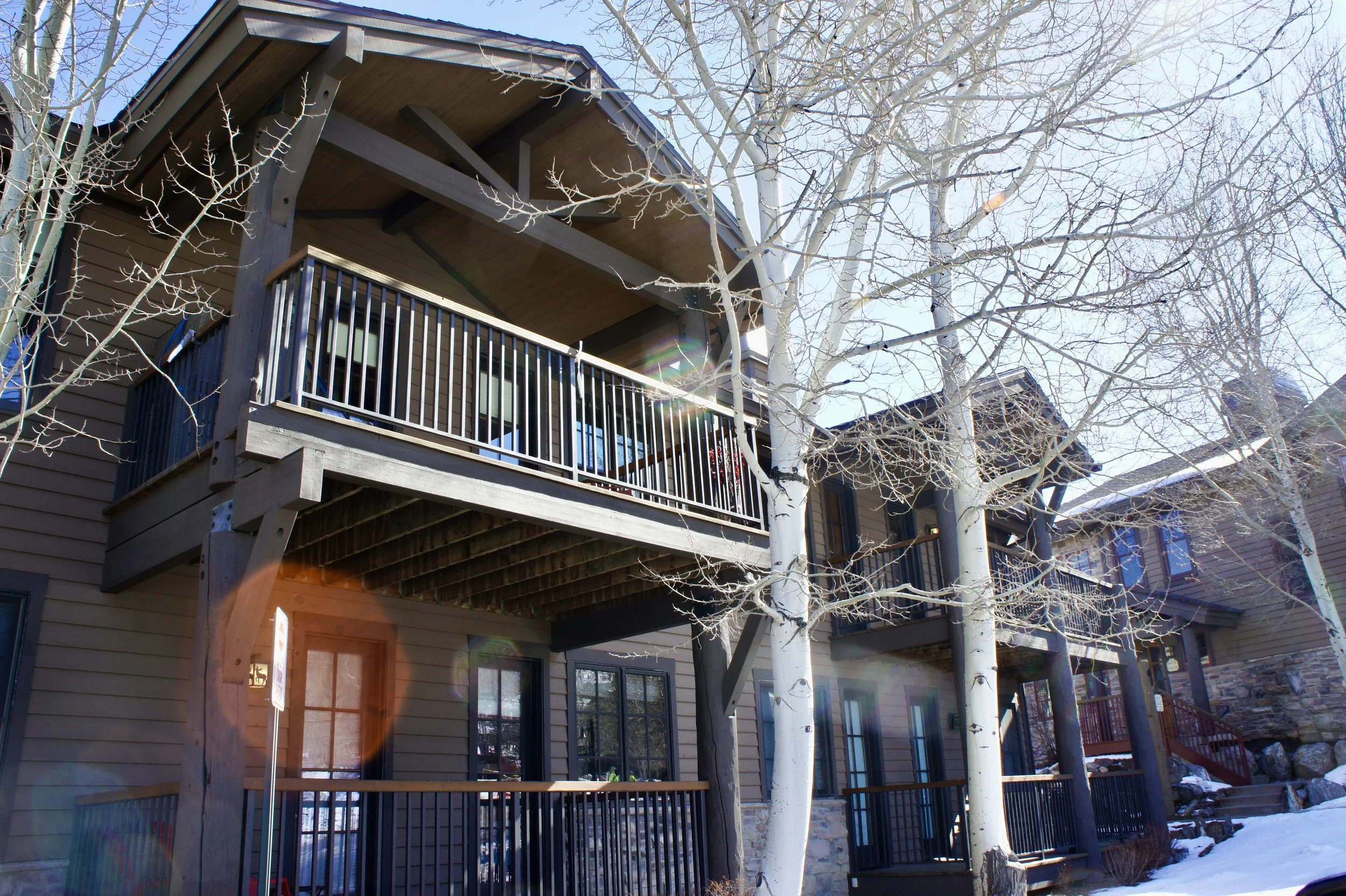
Second Home vs. Investment Property, photo property of Parker Bertles, Jackson Hole
What Buyers in Jackson Hole Should Consider
In this market, where many properties can function as both personal retreats and income-generating assets, the distinction between a second home and an investment property matters more than most buyers realize.
This isn’t because of Wyoming law or anything (there’s no strict legal definition), but because of how lenders and insurance providers classify the property.
I recently attended a training led by Mary Katherine King of First Western Trust, who spoke to how this classification can impact your rate, down payment, and long-term flexibility. Afterwards, I embarked on a personal deep-dive and pulled together to below synopsis to make this all a but more digestible for my clients! Please enjoy.
The Distinction
The difference between “second home” and “investment property” comes down to your intent. Second homes are intended primarily for personal use, while investment properties are intended for income generating activities (ie. rentals). The home’s “classification” is not actually determined by what the property can do, but by how you plan to use and finance it.
Second Homes: Lower Cost, More Restrictions
A second home is typically defined by lenders as a property that you occupy for part of the year, that isn’t primarily used as a rental or leased long term (ie. it’s within your control).
How does this apply to loans? Based on the above, second homes generally come with:
Lower interest rates (closer to primary residence financing)
Lower down payment requirements (often ~10%+)
Simpler underwriting
Rental income usually cannot be used to qualify.
How does this apply to insurance? Based on the above, second homes assume:
Intermittent use
Lower liability exposure
Lower premiums than rental properties
Investment Properties: Higher Cost, More Flexibility
An investment property is defined by income intent, whether that means you’re planning on using it for long-term or short-term rentals.
How does this apply to loans? Investment properties typically require:
Higher interest rates
Larger down payments (15–25%+)
More conservative underwriting
Rental income can often be used to qualify.
How does this apply to insurance? Investment properties require:
Landlord or short-term rental (STR) policies
Higher liability coverage
Loss-of-income protection
Higher premiums and stricter coverage
How does this apply to Jackson Hole?
Just because a property is located in an area that allows short-term rentals, does not automatically make it an “investment property” in the eyes of a lender. It comes down to how you present your intended use during financing.
The hybrid use case is actually very common here. As you might expect, many Jackson Hole buyers plan to use the home personally for part of the year and rent it during peak seasons (or simply when they are not in town). Prime example: my relatives rent their house for a full 60 days each summer, since they’re more keen on ski season.
This “hybrid” model obviously sits in a but of a gray area. Some lenders here will allow limited rental under a second-home classification, wile others will require the property to be treated as an investment. This is where early guidance and positioning really matters, because the classification will impact your entire capital stack (not to mention the financing risk associated with inaccurate representation of use / insurance risk of a denied claim if rental activity isn’t disclosed).
It’s really critical to get crystal clear on your intended use, financing strategy and insurance coverage in advance of getting serious about a property. This will allow you to underwrite more accurately, avoid surprises, and ultimately make a more confident decision!
If you're exploring properties in Jackson Hole and want help thinking through how a specific home fits into this framework, I’m always happy to walk through it with you.
