Understanding Short-Term Rental Rules in Jackson Hole

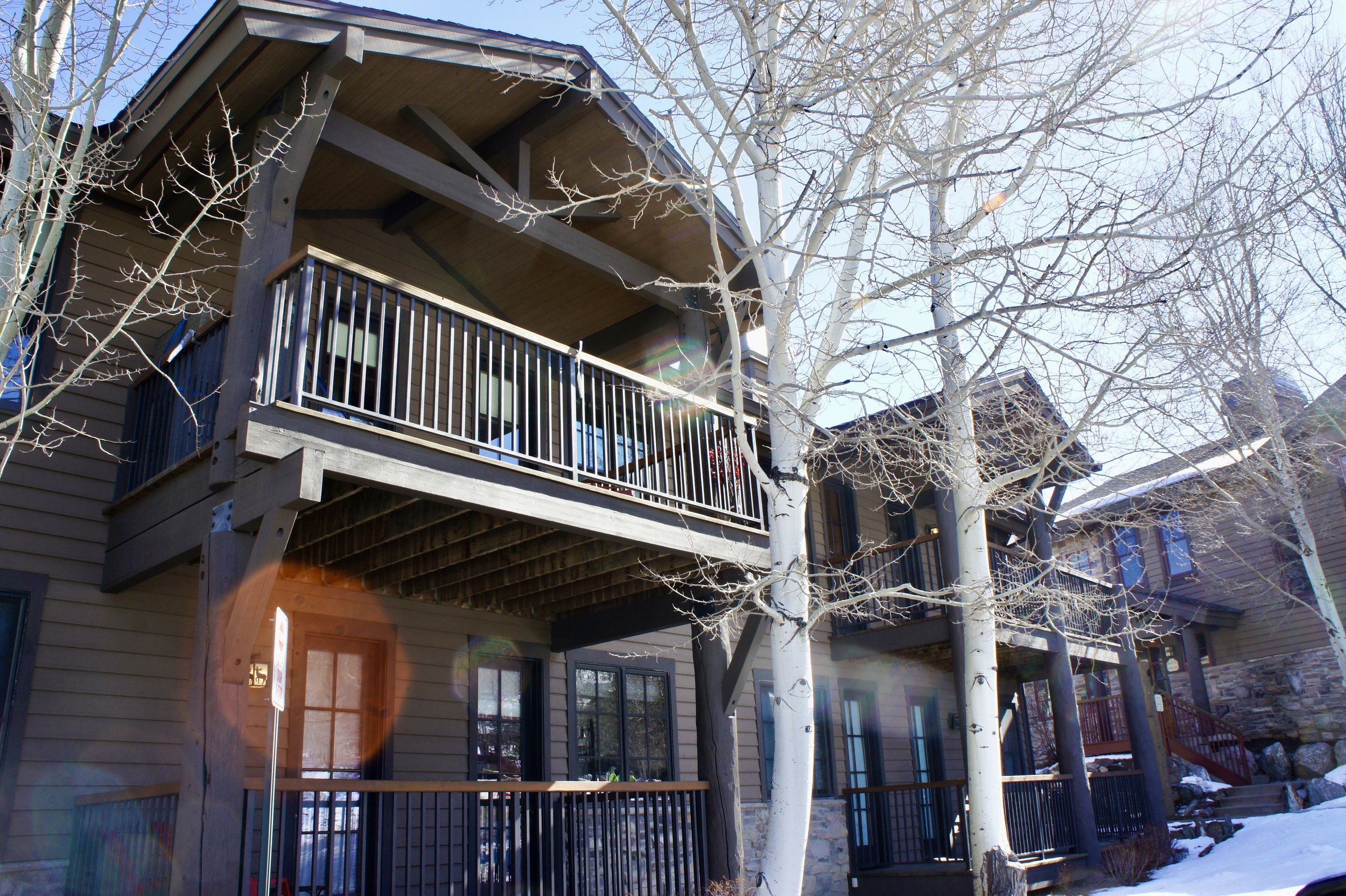
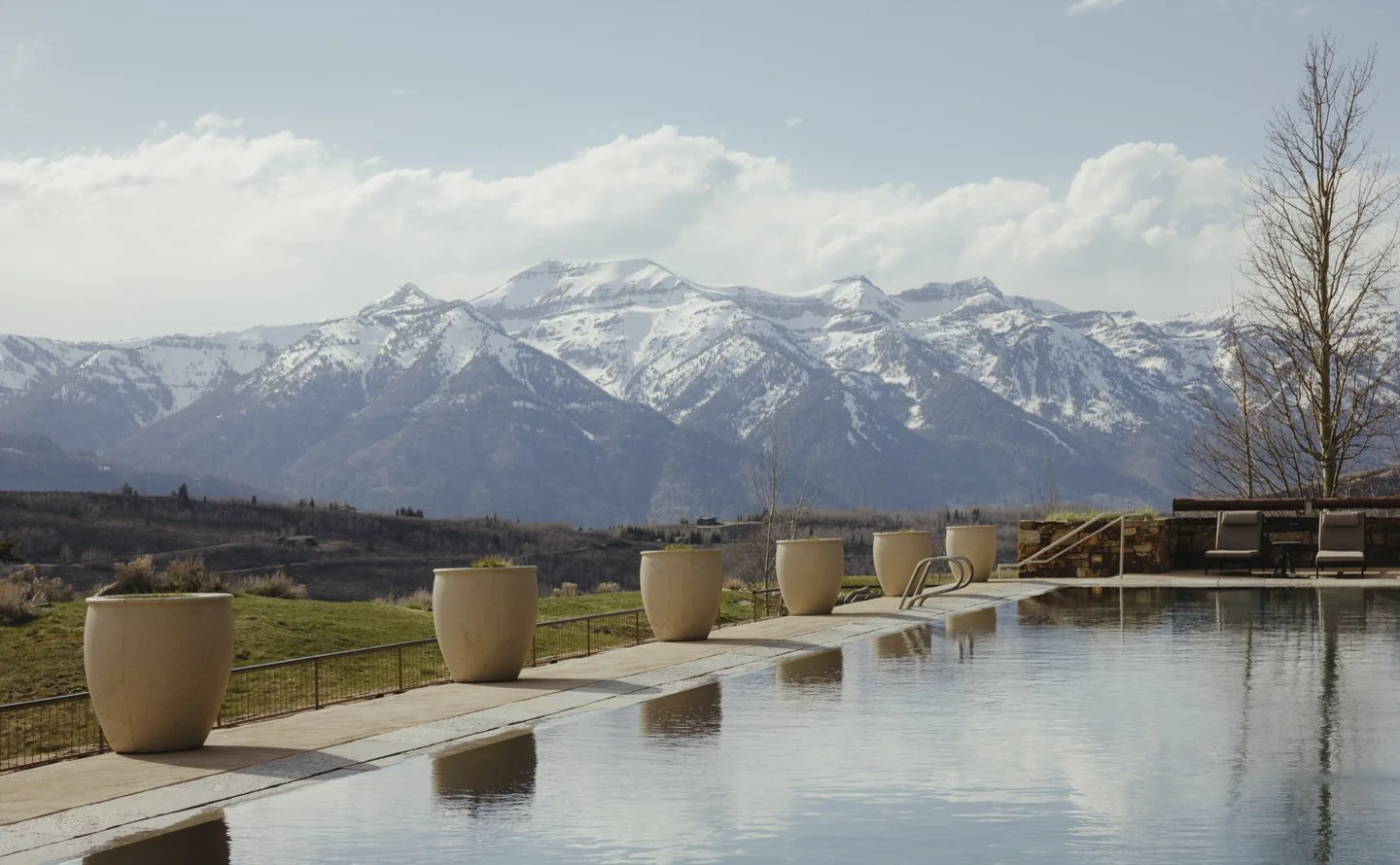
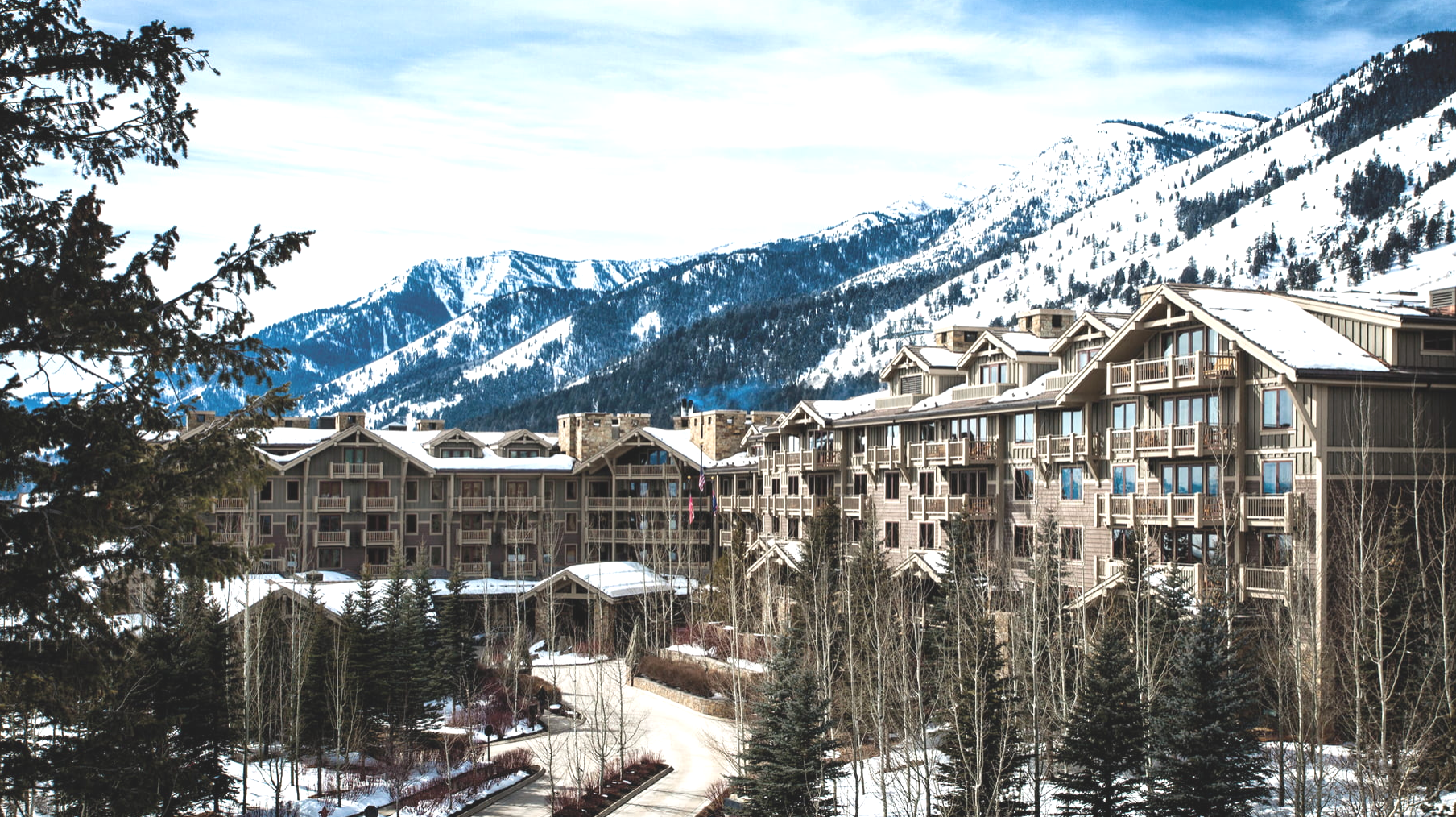
The Aspens condominiums, a saught-after short-term rental opportunity on the West Bank | Wilson, WY | © Parker Bertles Real Estate
Zoning realities, resort exceptions, and where nightly rentals actually work
Short-term rentals in Jackson Hole are not broadly permitted, and navigating the nuance can make your head spin! Some exist in clearly defined pockets, some are capped or licensed, and some are tightly controlled by both zoning and HOAs.
For buyers assuming flexibility, a clear understanding of STR regulation is one of the most important topics to understand before going under contract. Below, I’ll provide a short background on STR regulation (so you can hopefully appreciate these rules!), before breaking down where STRs exist and how to navigate the complexities. Enjoy!
Why Jackson Hole Regulates Short-Term Rentals So Tightly
Jackson Hole doesn’t have a housing problem by accident. It’s boxed in by protected land, limited geography, and a growing number of second homes that sit empty much of the year. As a result, there simply aren’t enough places for the people who actually make the town work to live.
That’s why the Town of Jackson and Teton County draw a hard line on short-term rentals. By limiting them to designated “Resort Zones” they’re protecting the local community’s ability to afford a home. Without these boundaries, residential neighborhoods could turn into hotel rows, hollowing out the character that makes the valley special.
Requiring short-term rentals to live in clearly defined commercial areas isn’t anti-tourism, it’s pro-community. These rules preserve quiet, stable neighborhoods while still allowing tourism to thrive where it belongs.
Town of Jackson: Where STRs Exist (and Where They Don’t)
Now that we’ve covered the “why”, we can get into the specifics. Within the Town of Jackson, short-term rentals are largely confined to clearly defined lodging and mixed-use areas, including:
Designated Lodging Overlay Zones (LO, LDR)
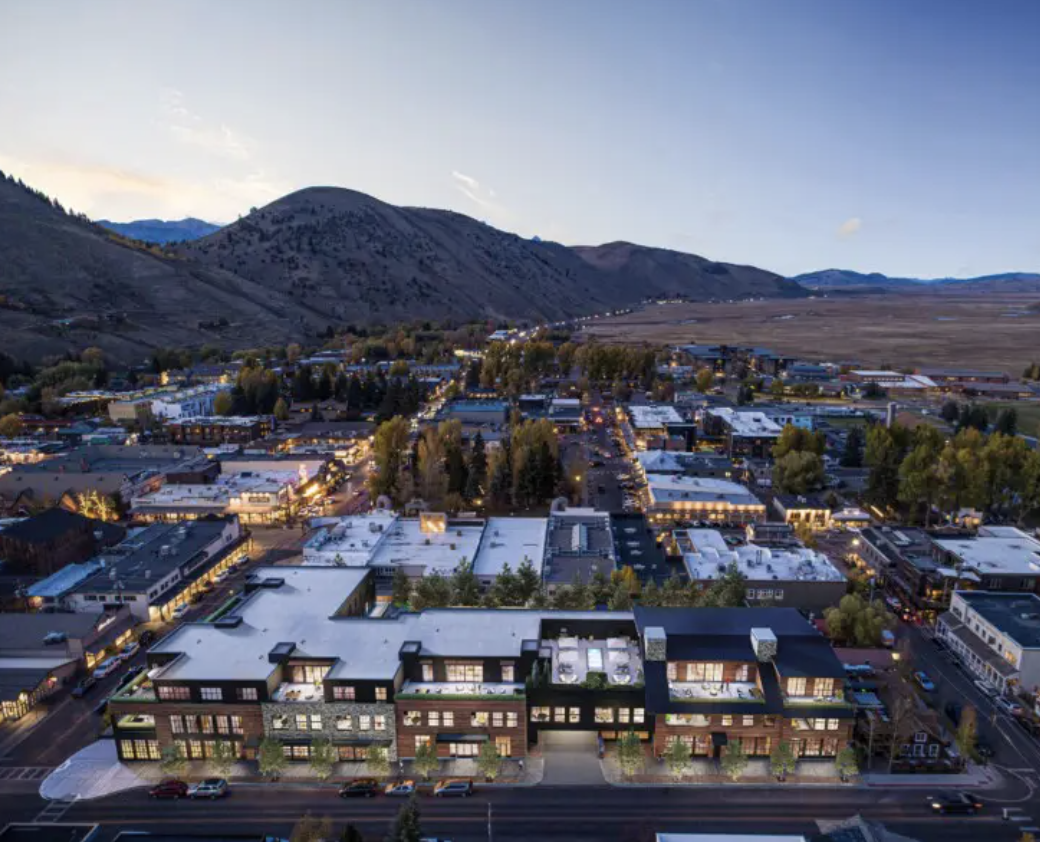
The Downtown Core and other mixed-use districts
A limited number of approved condominium buildings operating under legacy permits
Outside of these areas, short-term rentals are generally prohibited. Most single-family residential neighborhoods do not allow them at all.
Permiting Inside Town: This is where things get complicated. STR permits in the Town of Jackson are often capped and, in many cases, do not transfer with a sale. Some permits are tied to the owner rather than the unit, meaning the right to rent short-term can disappear the moment a property changes hands.
On top of that, condo buildings set their own rules. Some allow short-term rentals on a unit-by-unit basis, while others prohibit them entirely, regardless of zoning. That’s why two condos on the same block (or even in the same building!) can have different rental rights.
In the Town of Jackson, short-term rental eligibility isn’t a neighborhood feature. It’s a property-by-property determination, and the details matter.
Teton County: Resort Zoning Is Key
Outside town limits, short-term rentals are generally prohibited unless the property is in a resort-zoned area or specifically approved for transient use. Outside of these areas, nightly rentals are typically not allowed. Scroll to the bottom to view a curated list of Teton County subdivisions where there is atleast some level of STR allowance.
HOA Rules: Even when zoning allows short-term rentals, HOA rules often narrow or eliminate that right. Common HOA restrictions include:
Minimum rental periods (30 days or longer)
Caps on total rental nights per year
Prohibitions on third-party management platforms
Owner-occupancy requirements
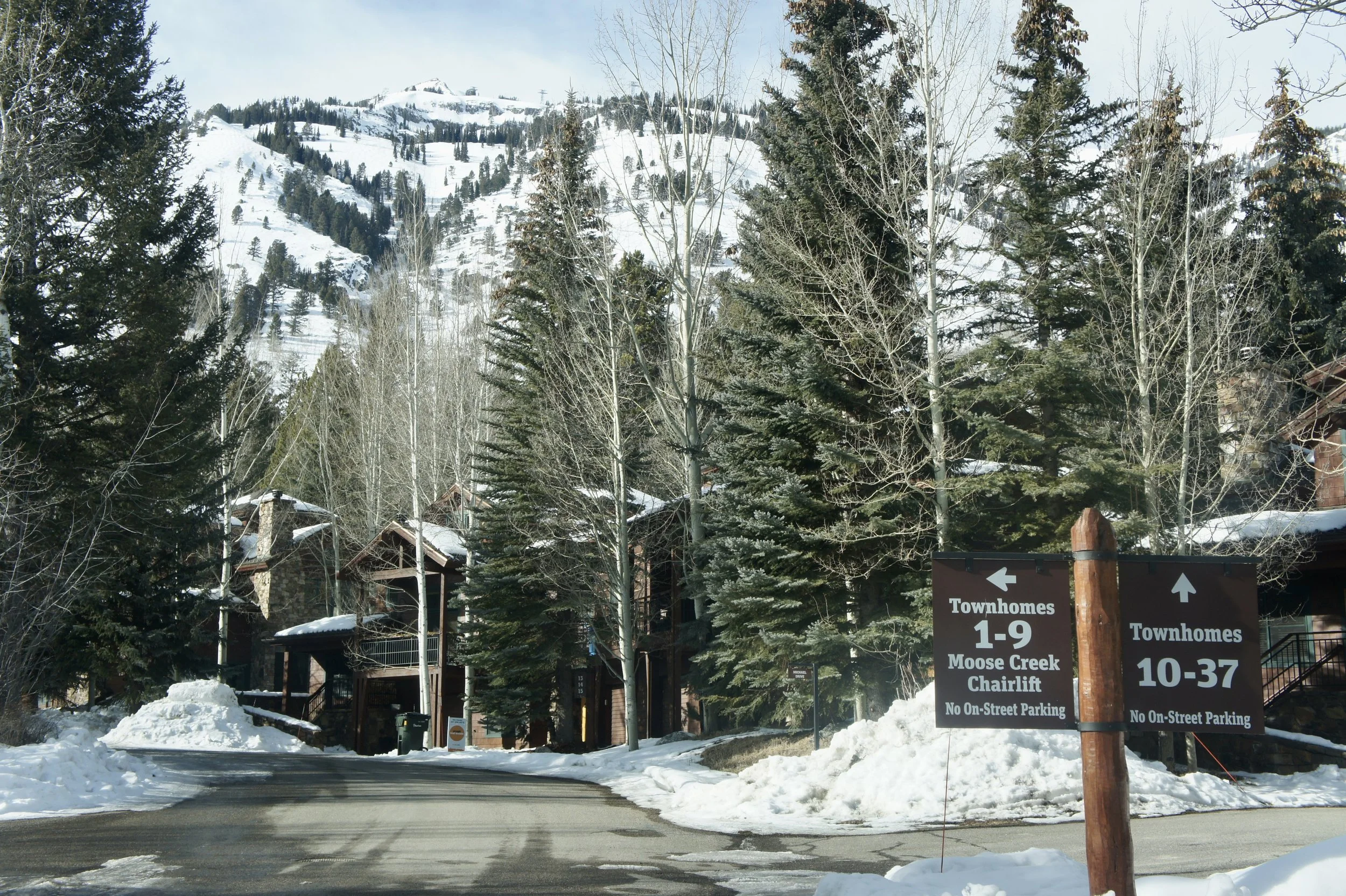
For example, some Teton Village neighborhoods allow STRs, but individual subdivisions or condo associations restrict frequency, duration, or usage.
Common Misconceptions Buyers Have
Often times, buyers assume that being close to the resort automatically means nightly rentals are allowed. They assume that because the seller rented the property short-term, they’ll be able to do the same. They assume HOA rules are flexible, loosely enforced, or easy to work around. None of these things are true! STRs in this area are actually highly monitored. Enforcement is real and violations are taken seriously!
What This Means for Buyers
As you can likely now image, properties with legal, transferable short-term rental rights tend to trade at a premium, experience stronger demand and faster absorption, and require deeper due diligence before closing.
Conversely, properties without STR rights often deliver more privacy, fewer transient neighbors, and strong appeal to full-time and second-home lifestyle buyers
Neither is “better” universally, it really depends on what you’re looking for (and being intentional about it!).
Due Diligence Checklist
Before a buyer ever falls in love with a property, at a minimum, a competent agent should:
Confirm zoning with the Town of Jackson or Teton County Planning Department
Verify whether any short-term rental permit is tied to the unit itself or to the current owner
Review HOA bylaws, rules, and recent enforcement history (not just summaries)
Confirm whether STR permits are capped, waitlisted, non-transferable, or no longer issued
If these questions are answered after a property is under contract, it’s already too late.
The Takeaway: In Jackson Hole, short-term rentals are the exception, not the rule. Understanding where nightly rentals are legally allowed and where they are not protects buyers from costly surprises and ensures expectations align with reality.
Areas where short-term rentals can be allowed
The below areas allow at least some level of short-term rentals, though there are significant nuances attached. For example, within Shooting Star, only The Cabins are eligible. Be sure to click into each subdivision for more detail, or simply connect with me to learn more!